Improving means you know what needs to be done differently.
Two exemplary studies. One pair of 1969 Stratocasters, taken apart and measured. One pair of cabinets by the late Kerry Wright, owned, opened, and understood from the inside out. Everything I do at Torka begins with what these instruments taught me.
Two 1969 Stratocasters.
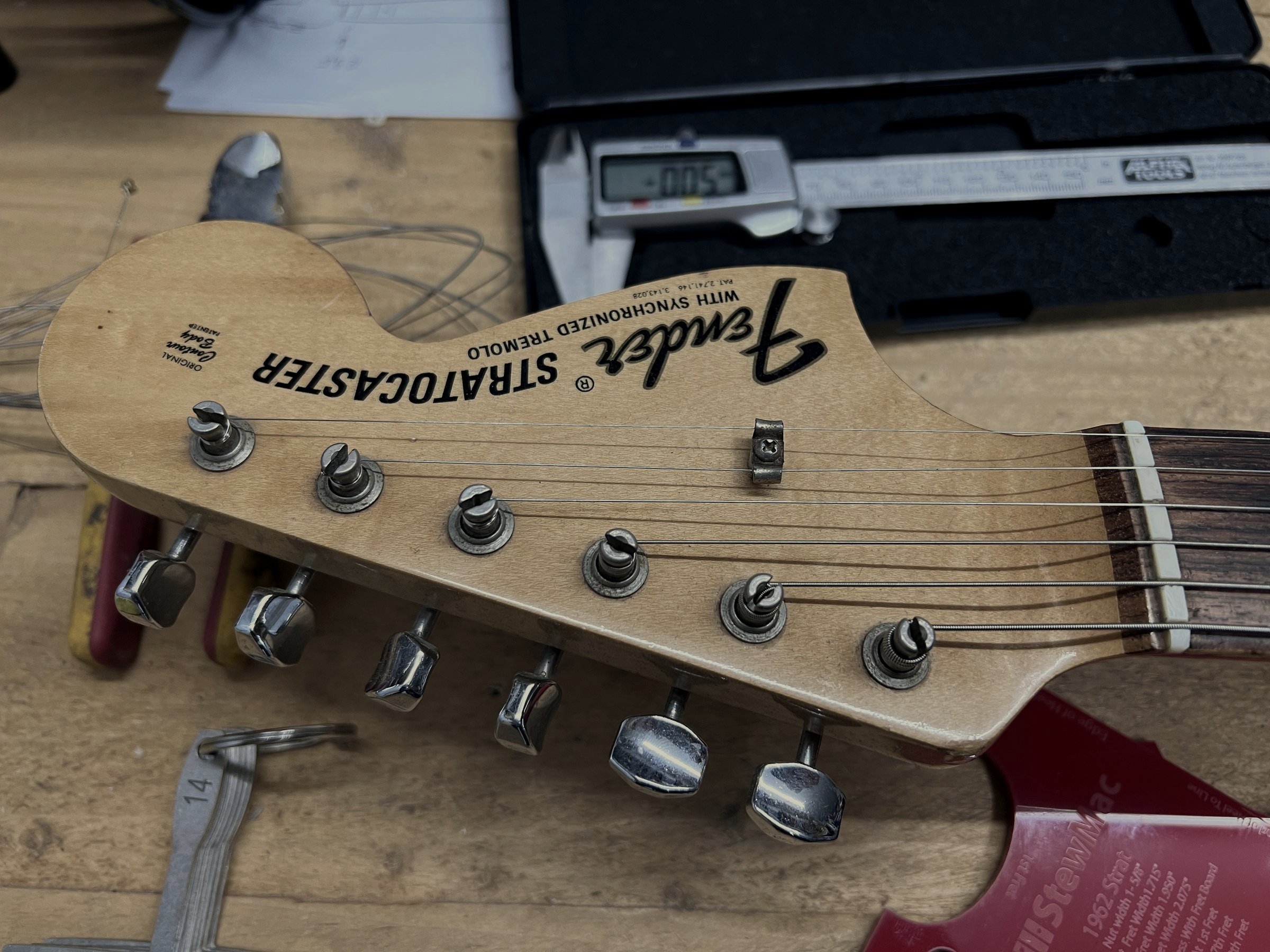
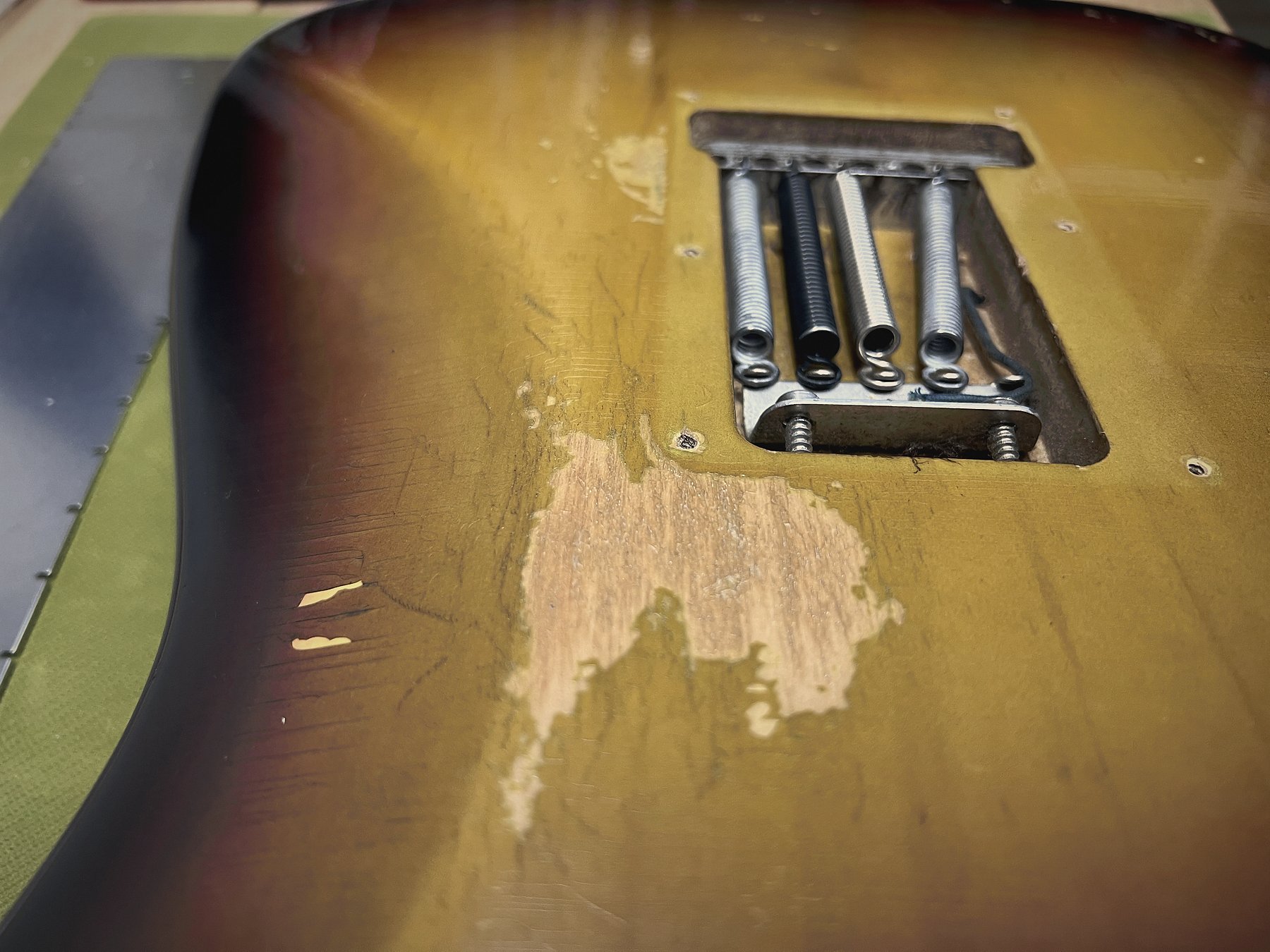
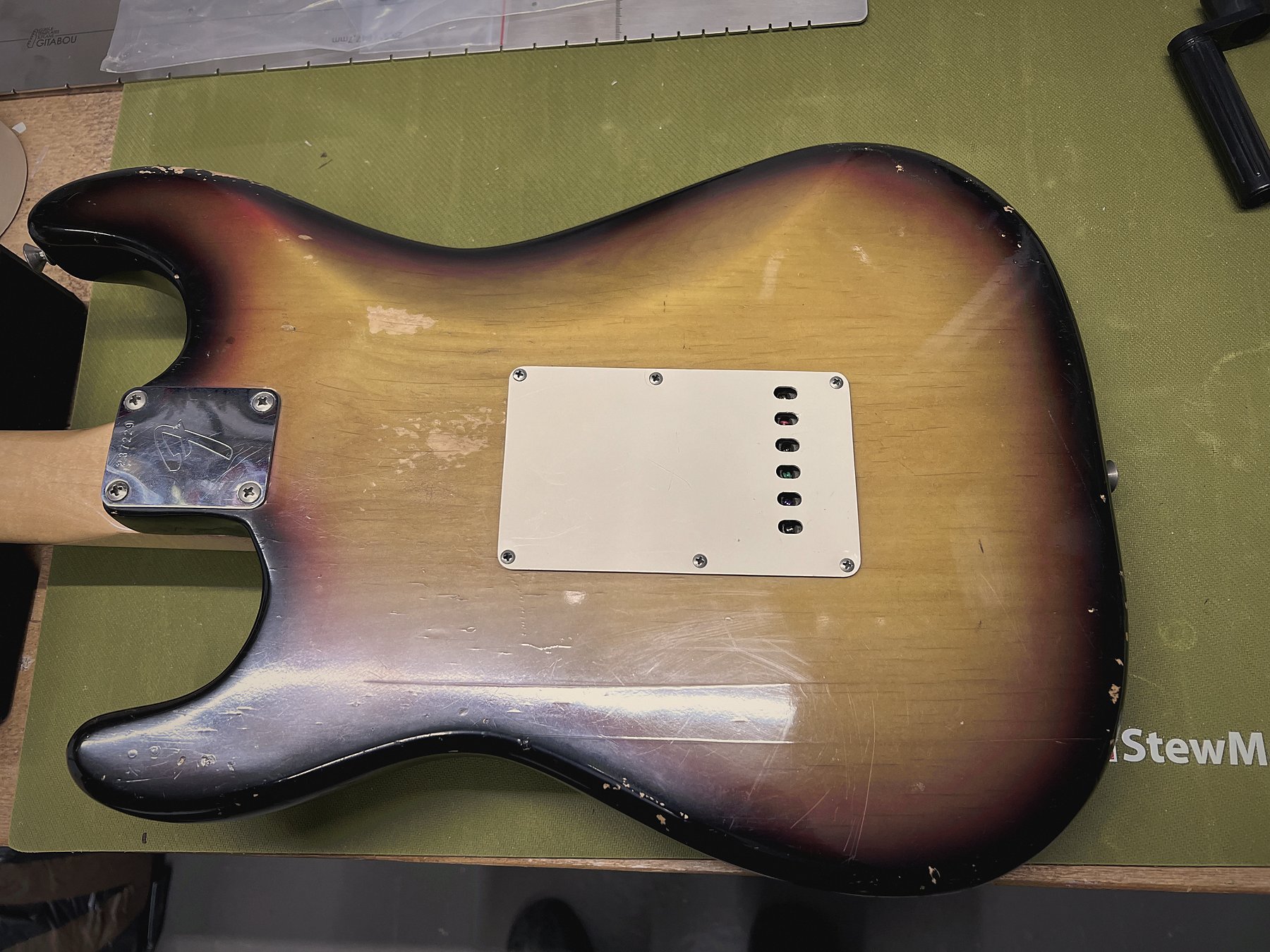
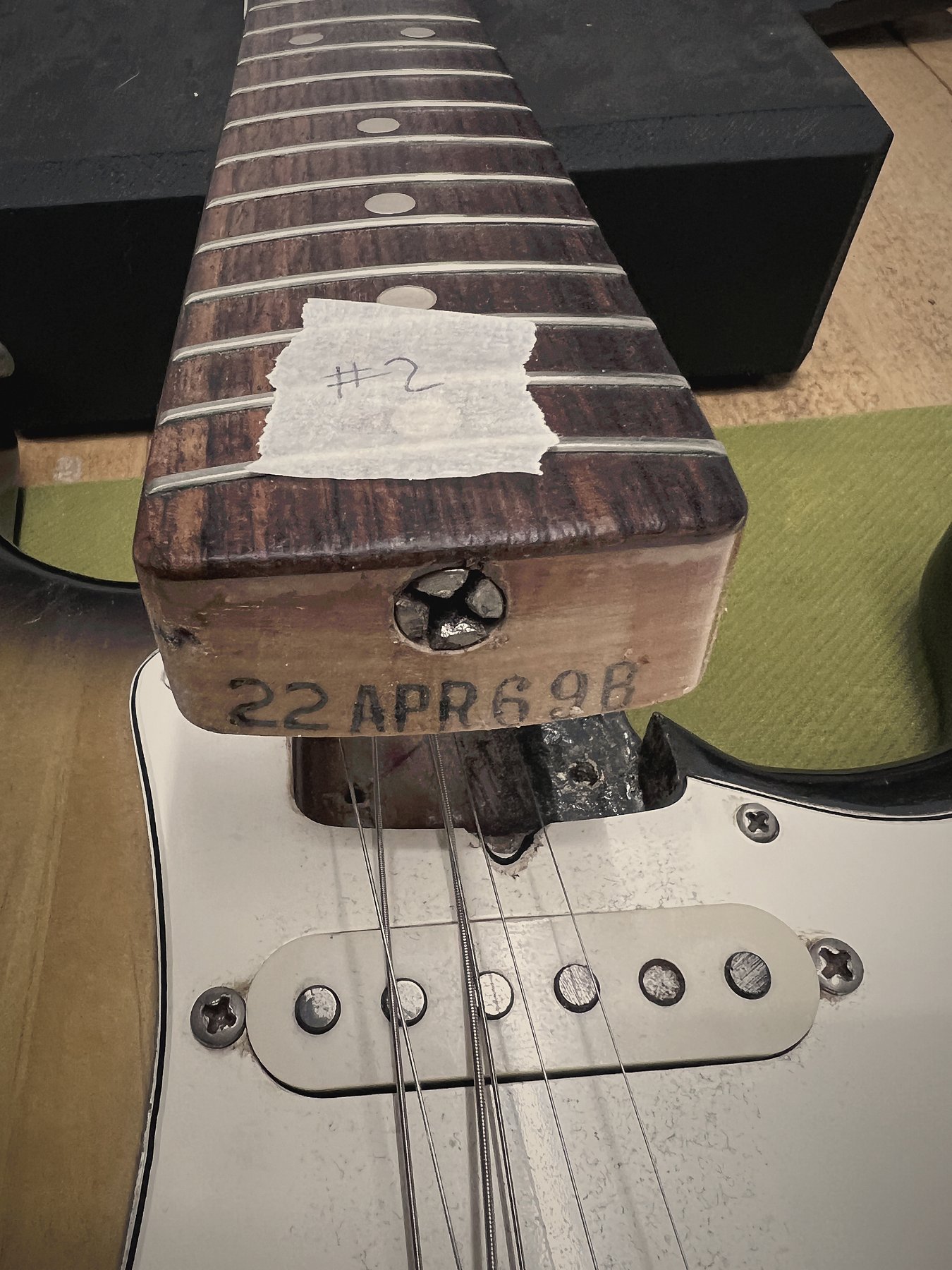
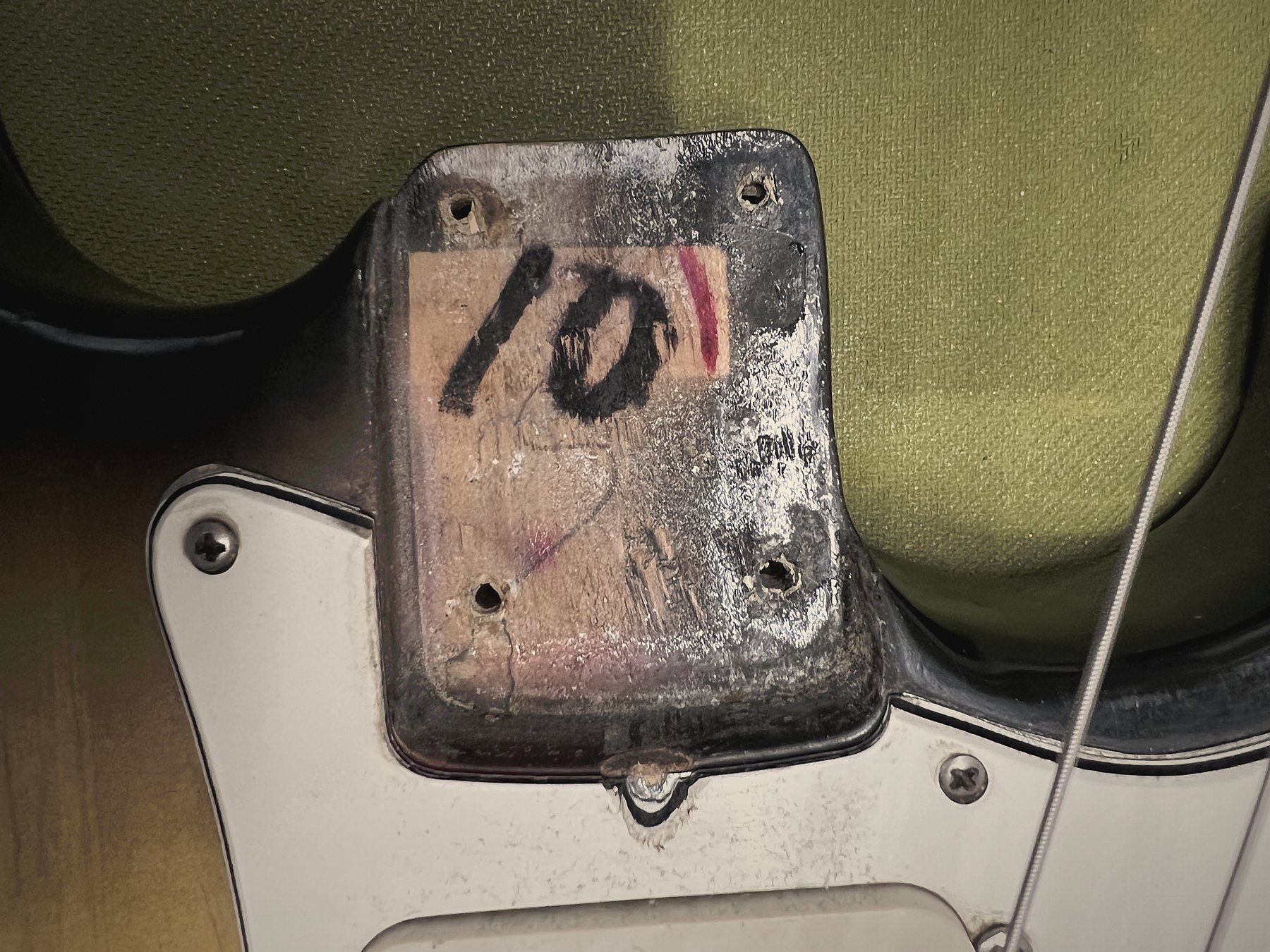
Same year. Same factory. Same kind of money, around twenty thousand euros each. I took both of them apart, measured every dimension, photographed every joint.
One of them plays well — it is a real player. The other does not, and probably never did.
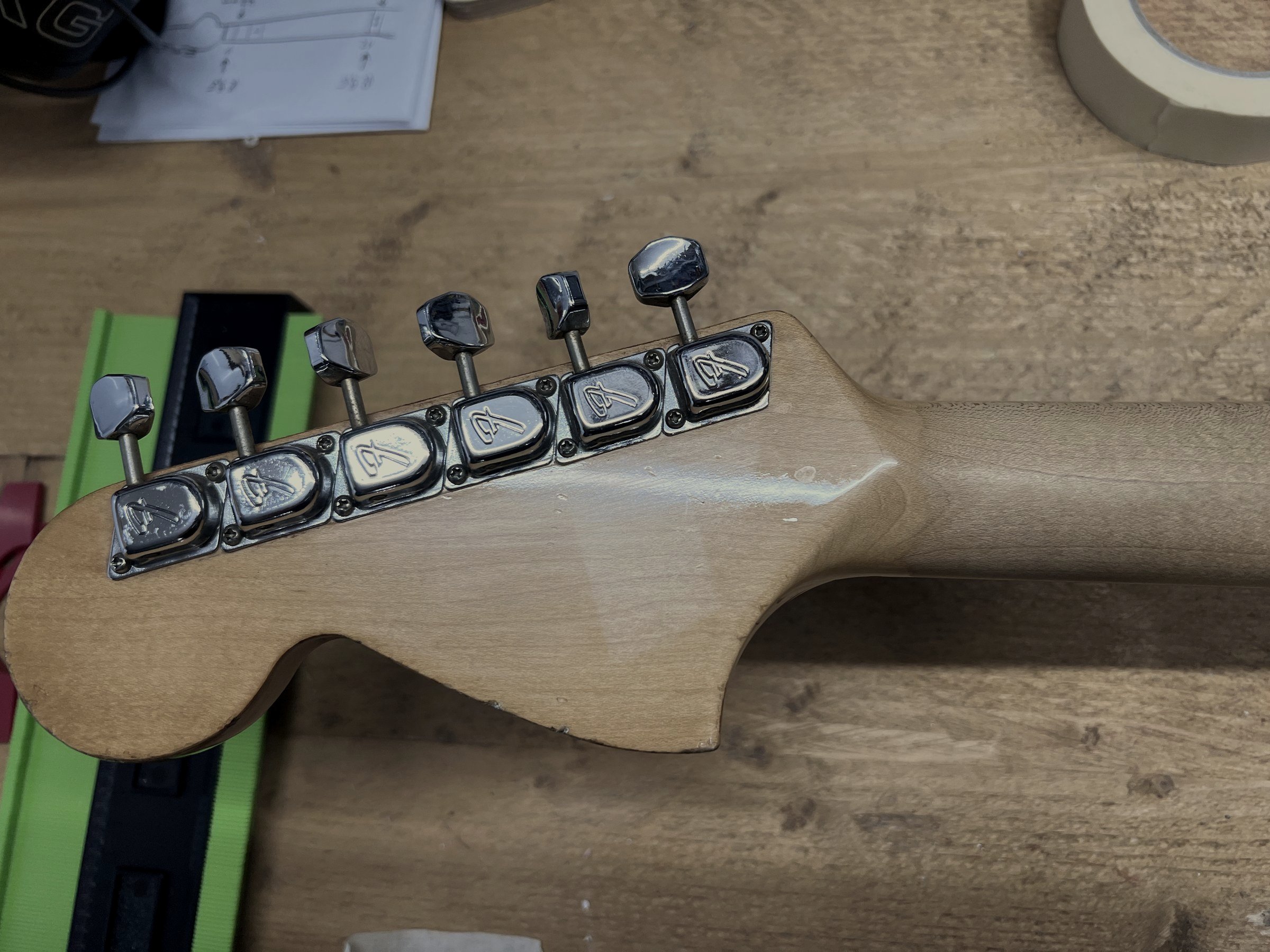
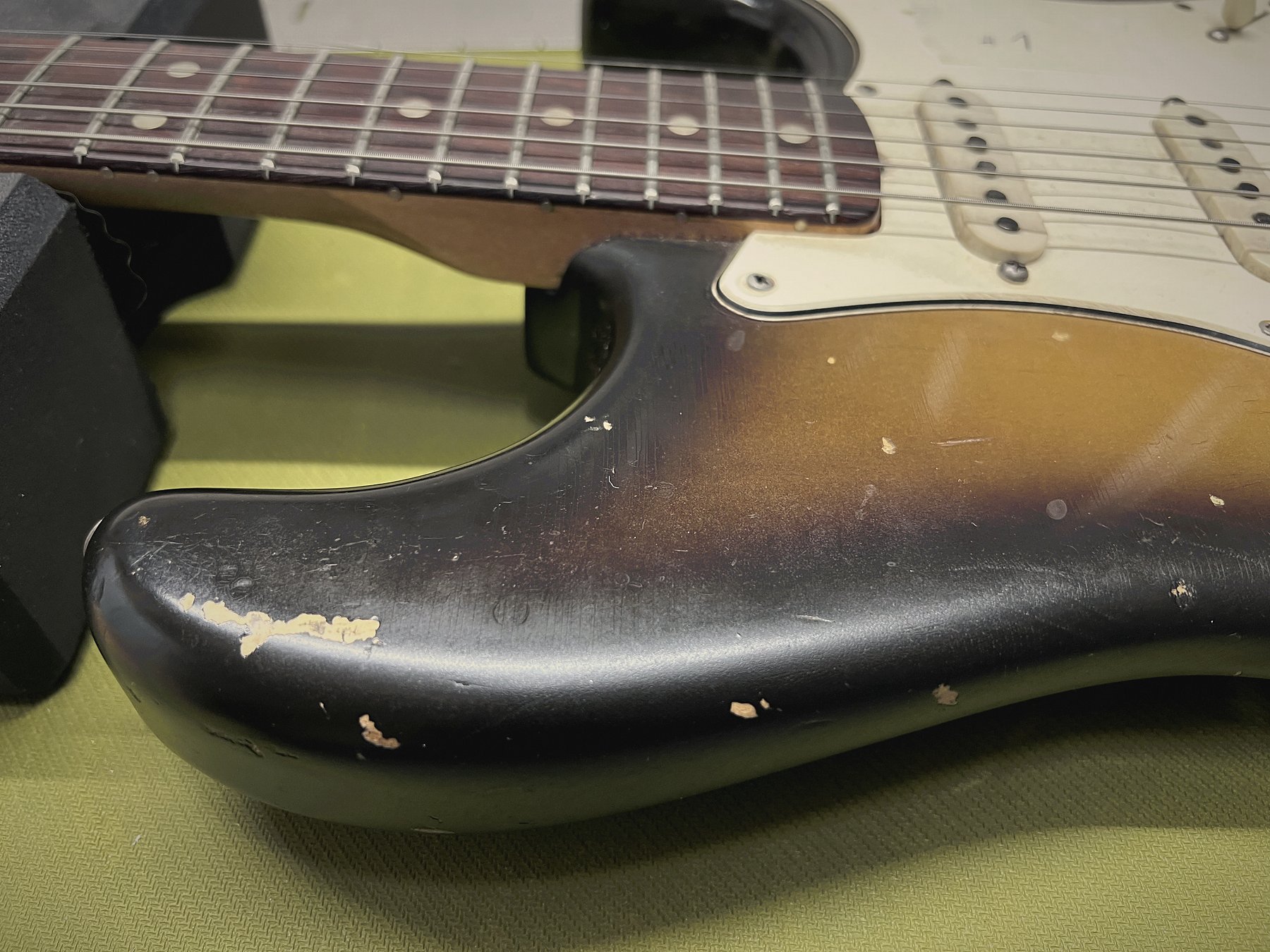
The difference is not the old wood. Old wood is voodoo, mostly — a story we tell ourselves about why old guitars sound and feel the way they do. The real difference is in the work: how tightly the neck sits in the pocket. How the fretboard edge feels under the hand. How the lacquer aged and reacts. How the back of the neck is finished and, quite importantly, what type of pickups are used and how they are set up. These are the things I carry into every Torka build.
I considered buying a pre-CBS Strat for myself. I decided not to, and built one instead — to old specs, with the best wood and tools I could get my hands on, and the kind of patience the work demands. Right decision.
Neck pocket fit decides almost everything. A fraction of a millimetre of slop, and the guitar loses its voice.
The fretboard edge wants to be rolled. Slightly. By hand. It is the difference between a tool and an instrument.
The back of the neck should not be a slick finish. Skin and wood should know each other directly.
Tolerances on a 1969 body are not what the legend suggests. They are what good people, working carefully, can do. Nothing more.
Cabinets by Kerry Wright.
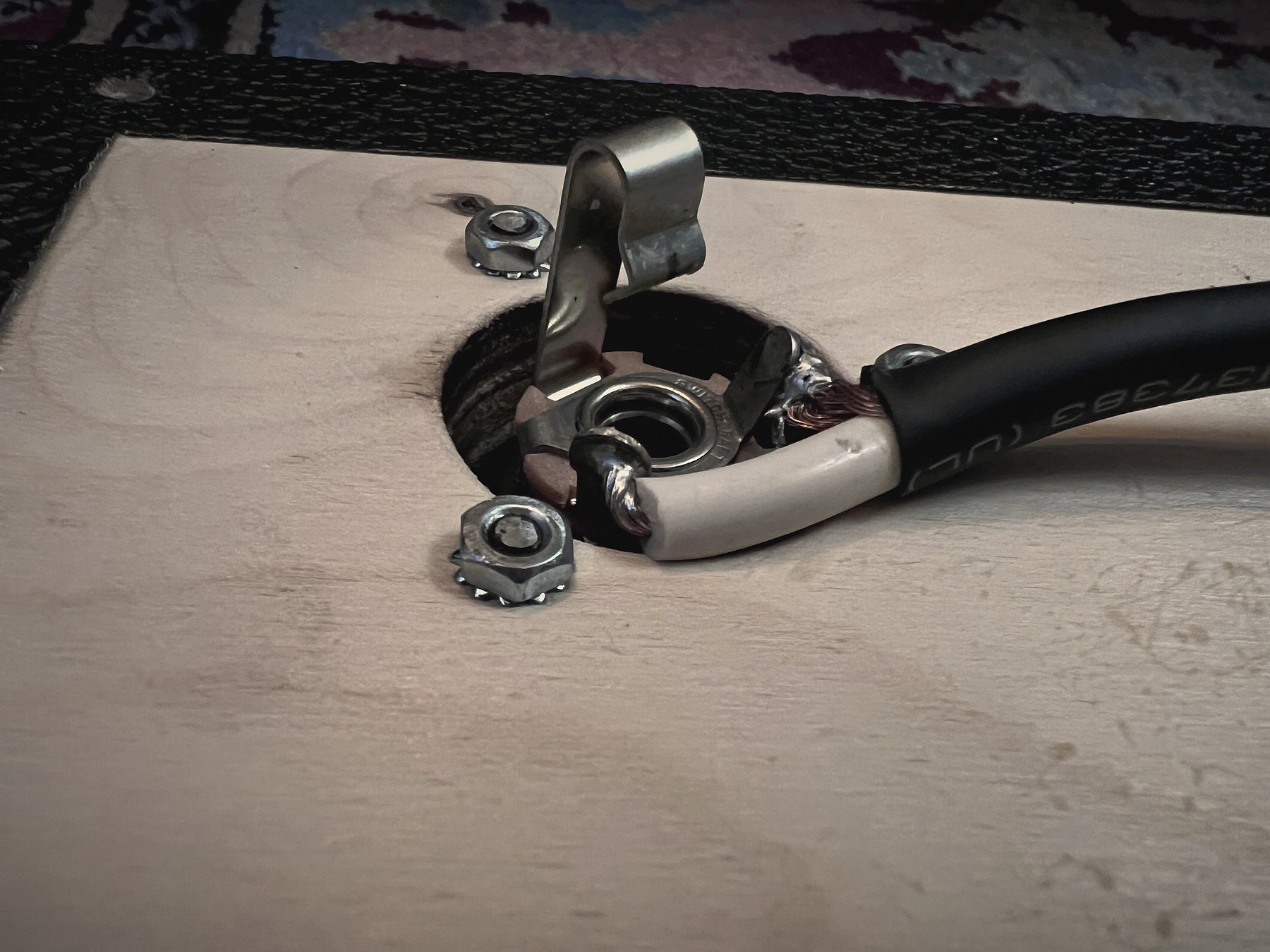
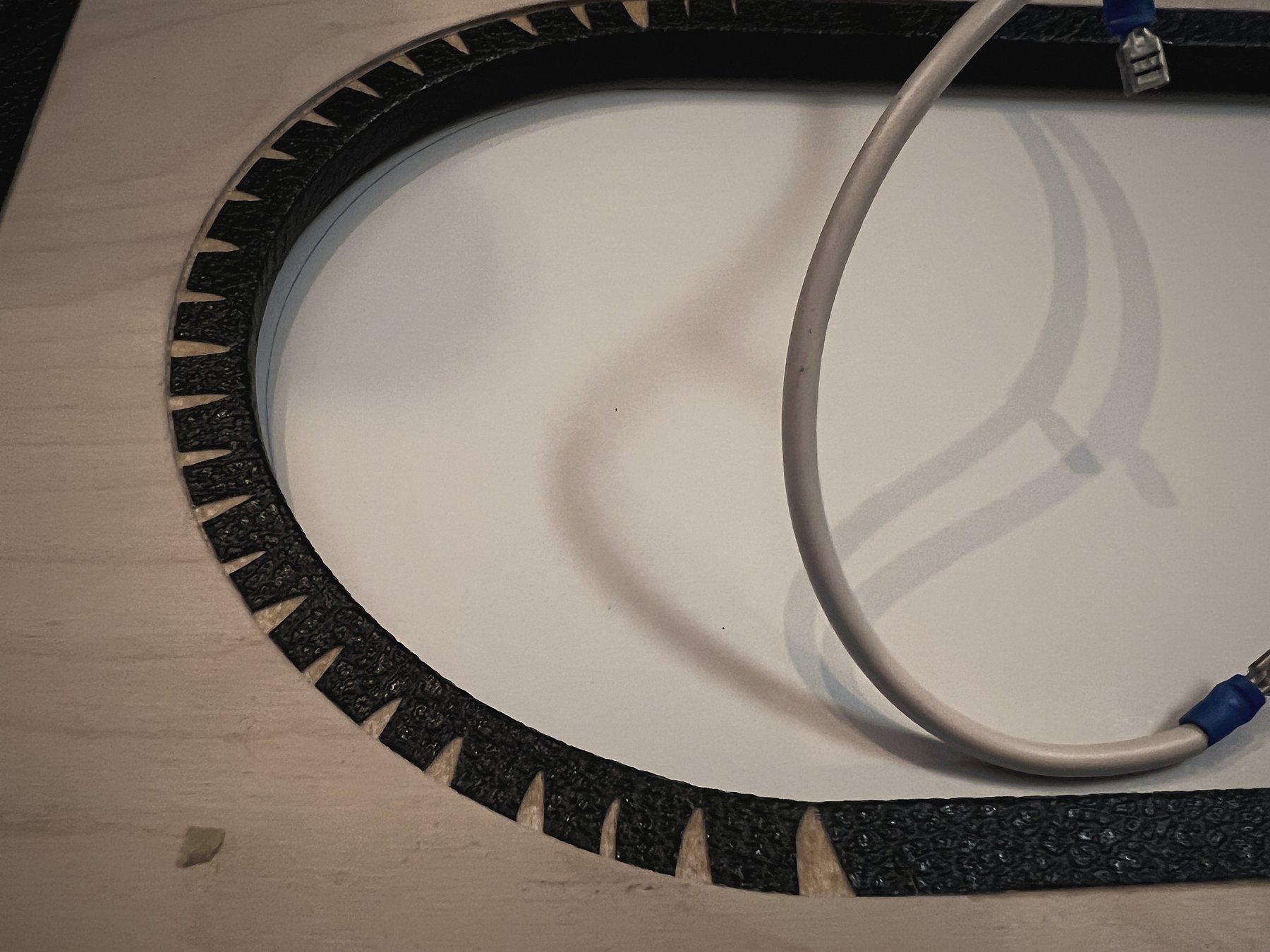
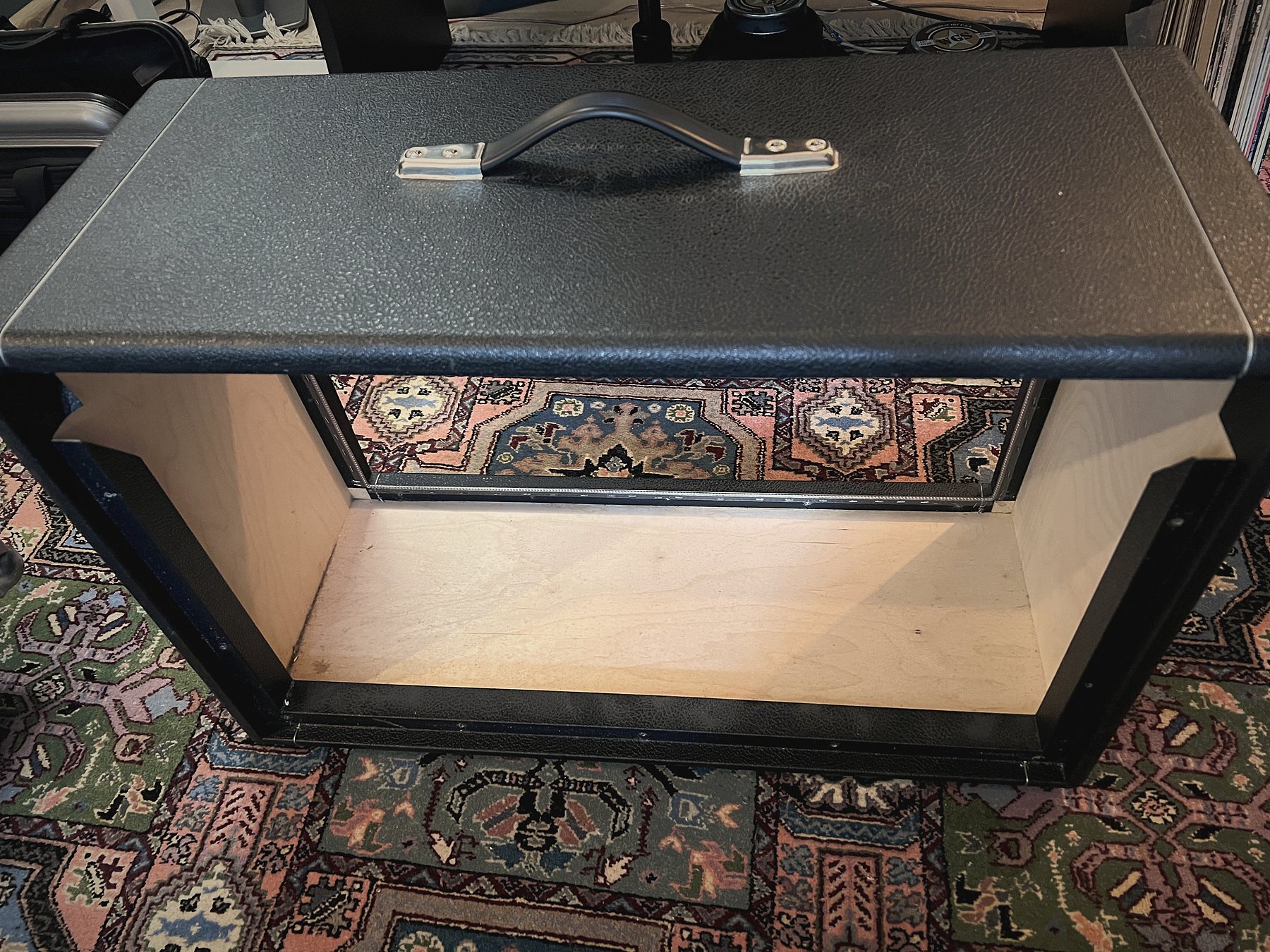
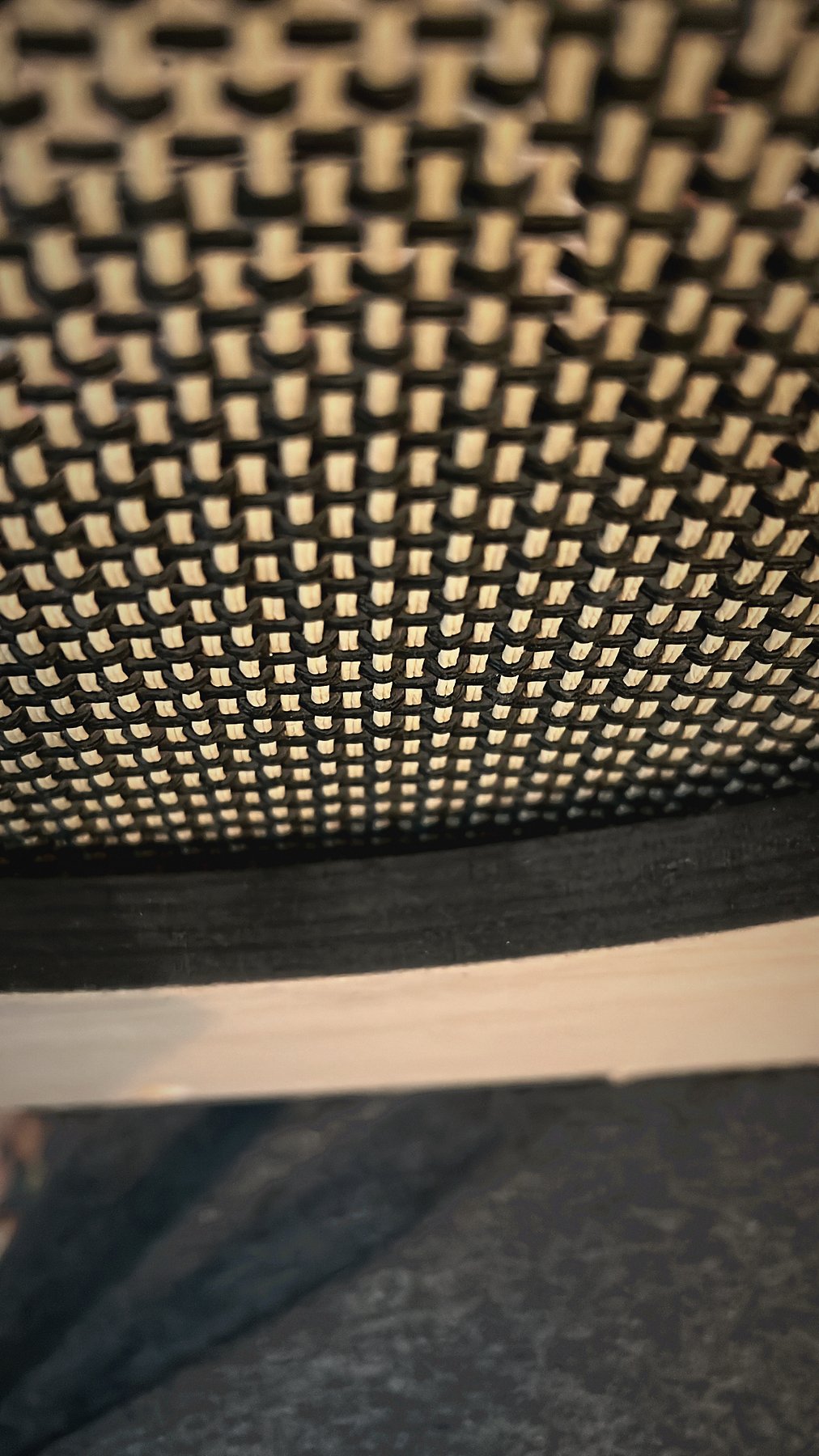
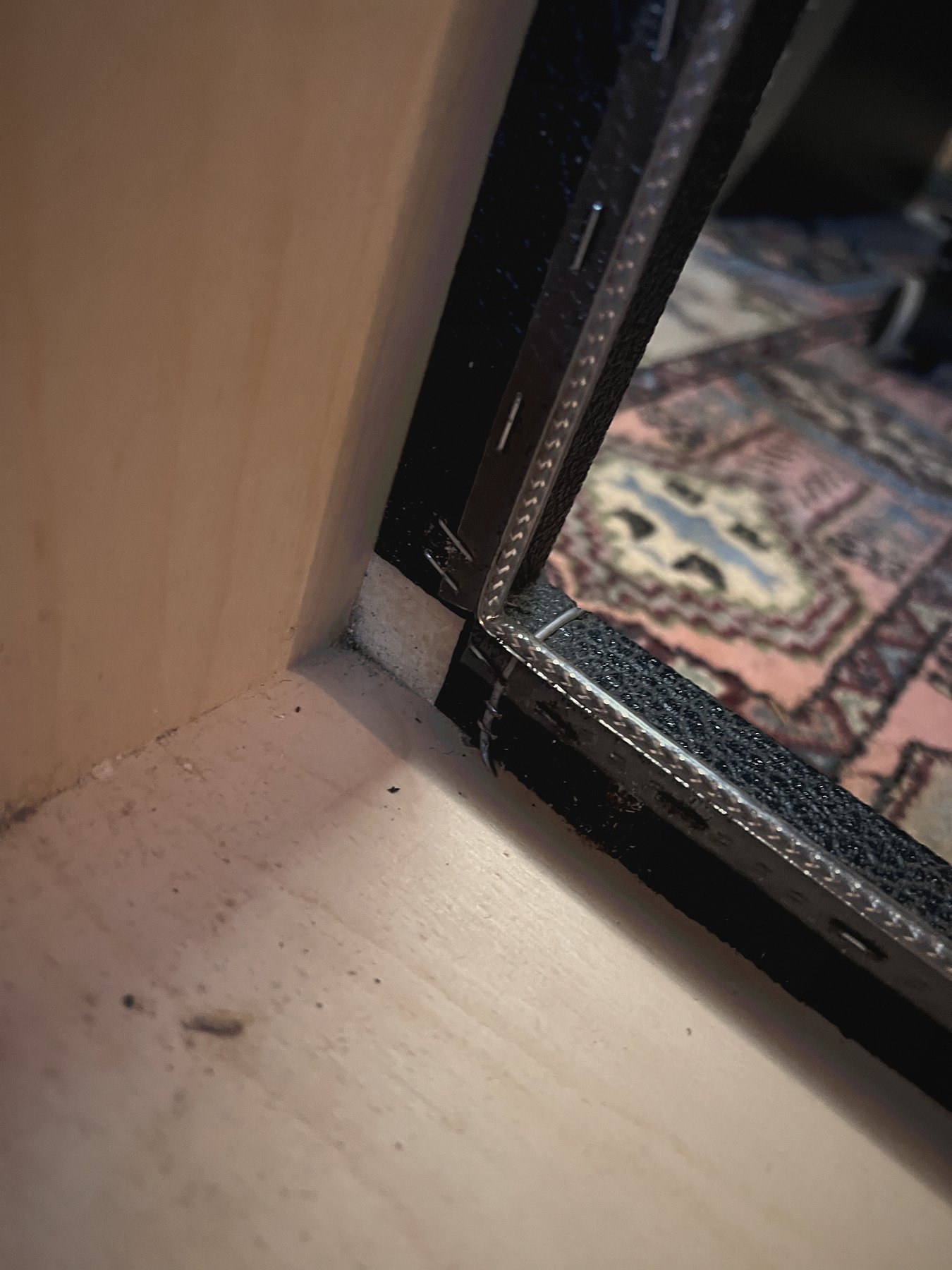
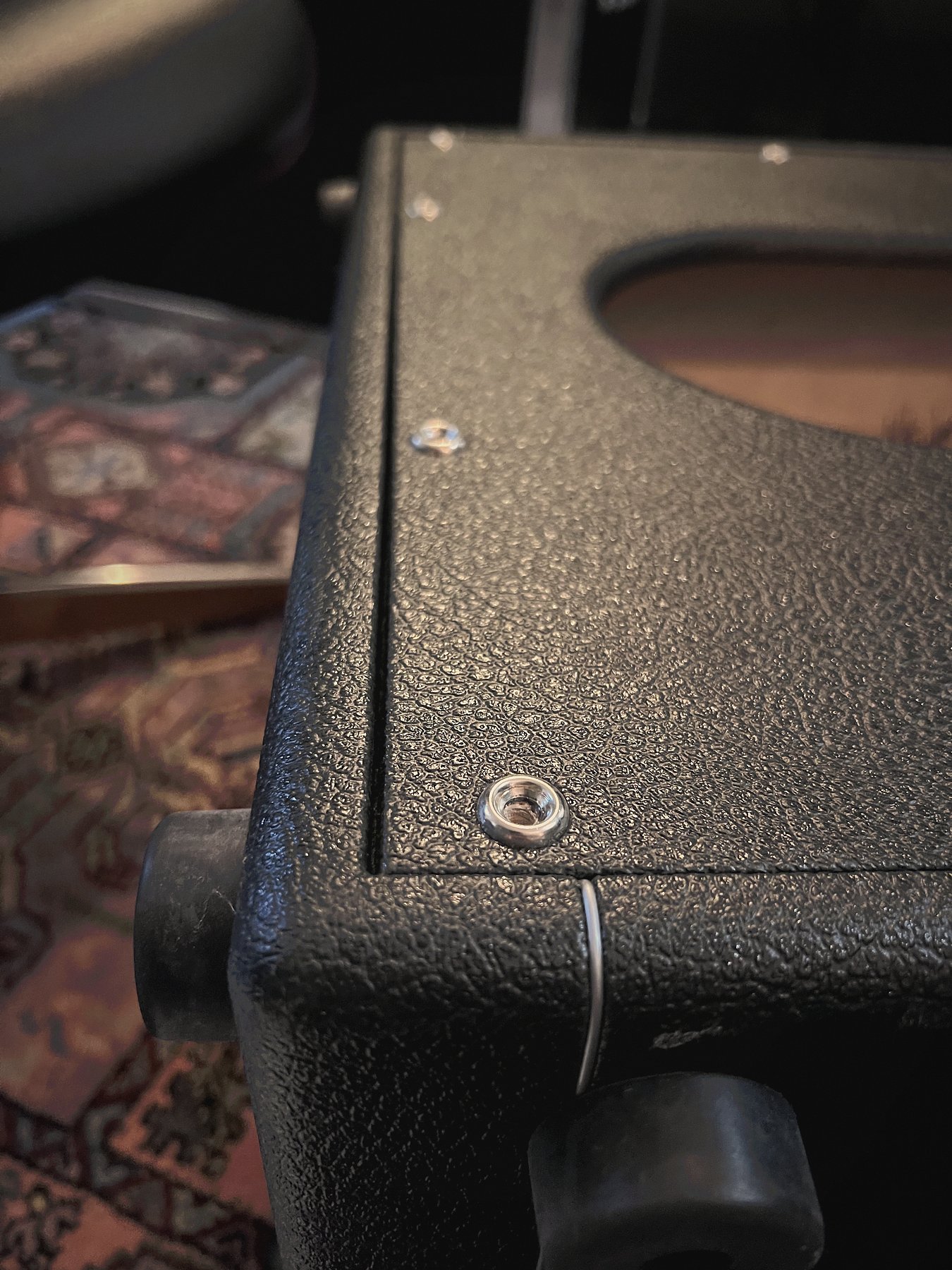
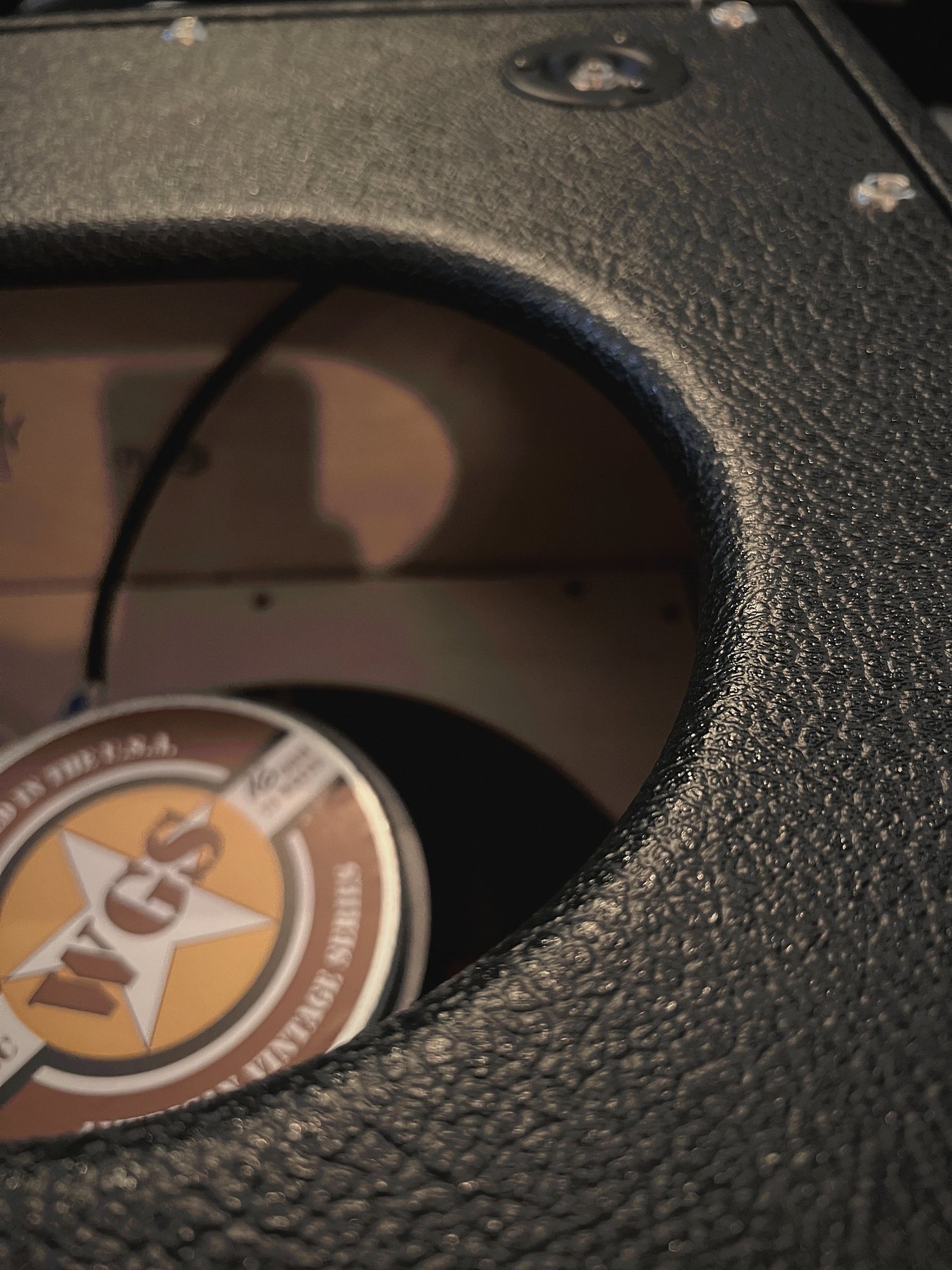
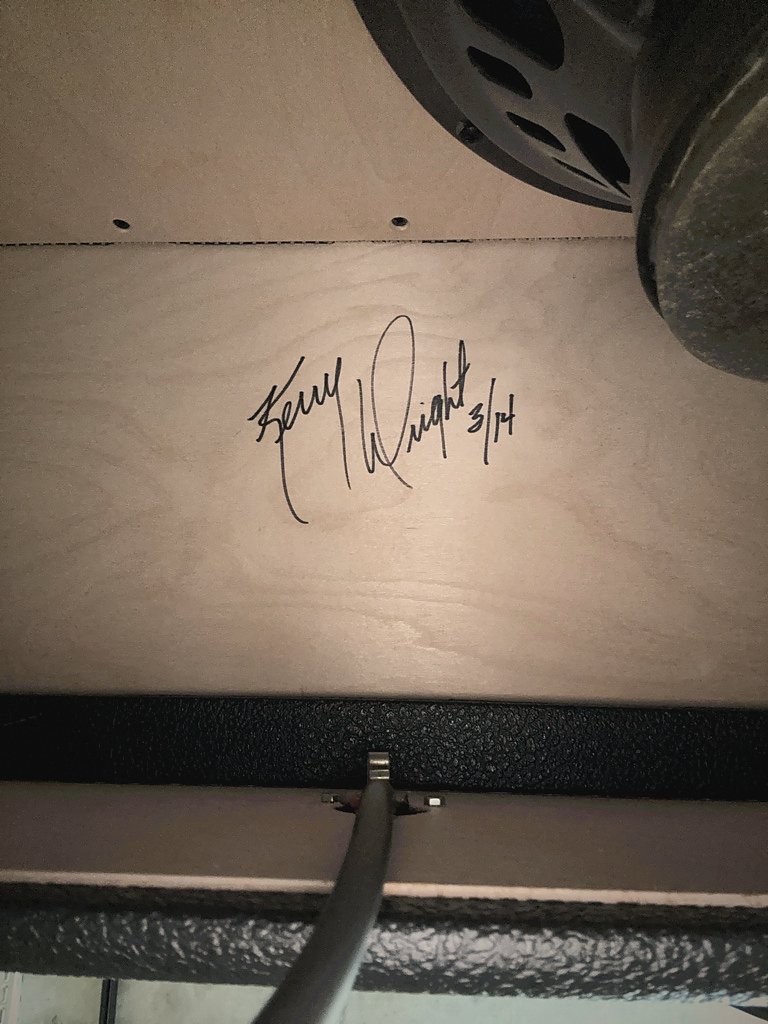
The late Kerry Wright built some of the most musically transparent guitar cabinets ever made. Quiet legends among studio engineers and discerning players. I own originals. I have measured them — joint by joint, dimension by dimension, board thickness by board thickness.
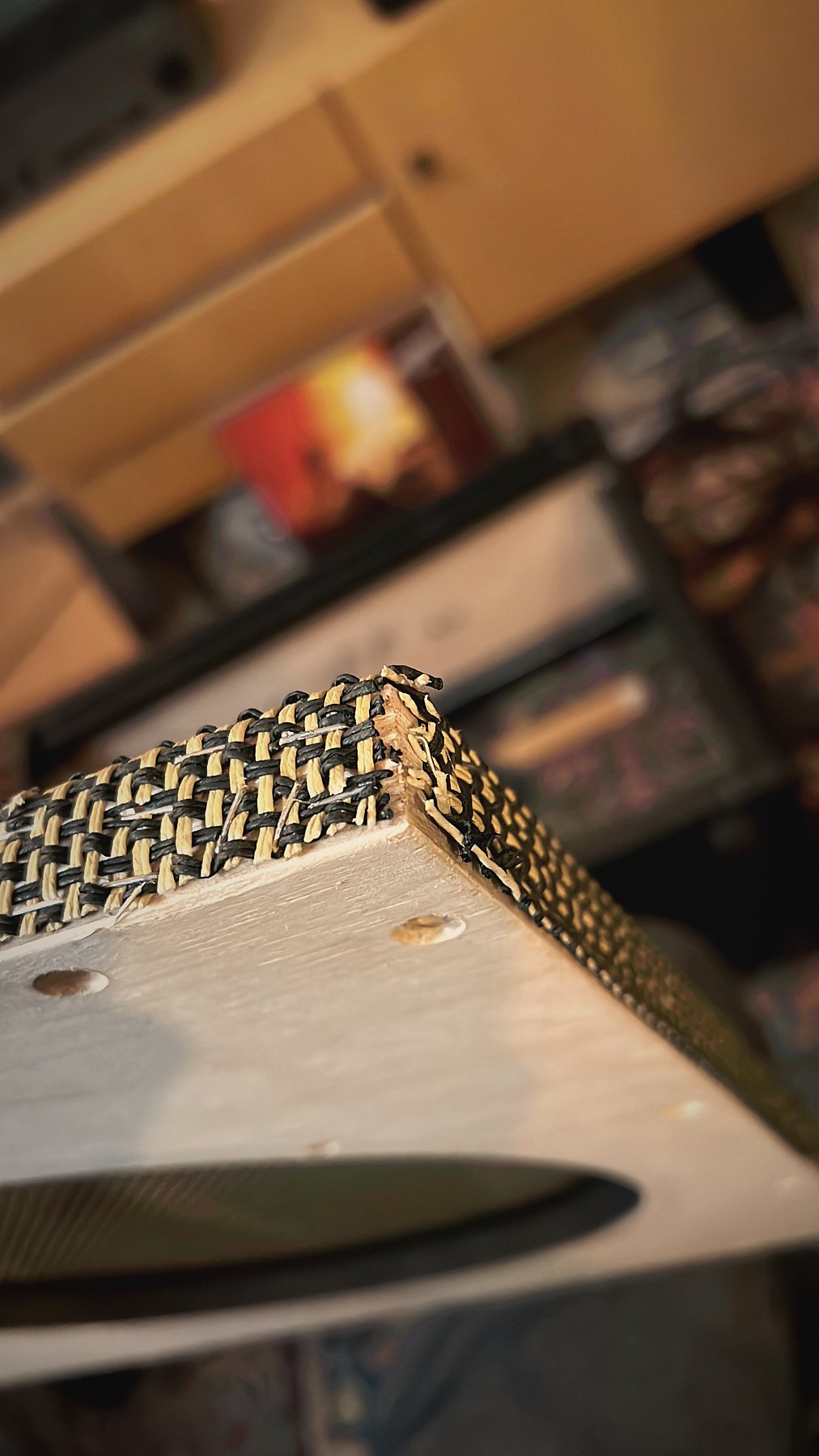
What looks simple from the outside is, on inspection, a careful act of acoustic restraint. What you do not put inside the cabinet matters as much as what you do. Where you screw and where you glue. How the baffle sits in the frame.
The cabinets I build are not Kerry Wright cabinets. They are Torka cabinets, built to those measurements, in honour of his work — and they let me give players the cabinet voice I myself wanted.